logo
Achievers Automation Limited

達成者は,すべてのあなたの必要を達成可能にする!

ホーム ニュース

Control Systems: The Core Backbone of Modern Industrial Automation

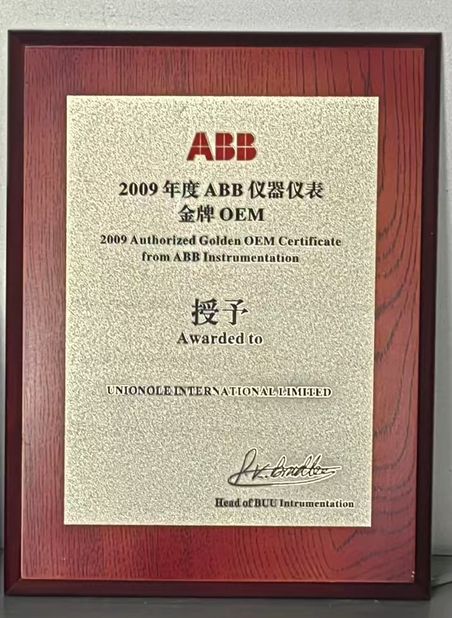
認証
中国 Achievers Automation Limited 認証
顧客の検討
調達マネージャーとして、私は価格に非常に敏感です。貴社製品は、卓越した品質を驚くほど競争力のある価格で提供しており、市場での大きな優位性をもたらしています。特に、複雑な物流要件への対応において、優れたプロフェッショナリズムと忍耐力で対応し、商品の確実な到着を保証してくれた貴社のサービスチームに感謝申し上げます。

—— アリ・ウィボウォ氏 - 調達担当

お客様の製品品質の安定性と耐久性は、私どもの最優先事項であり、貴社製品は期待をはるかに上回る性能を示しています。ラホールの高温多湿な気候下でも優れた性能を発揮しています。当初は価格に惹かれましたが、長期的なパートナーシップを確実なものにしたのは、貴社の申し分のないアフターサービスです。技術的な問題はすべて解決されています。

—— アハメド・ラザ氏 - 業務担当役員

御社が示したプロフェッショナルなサービスレベルは、最初の連絡から最終的な納品まで、本当に印象的でした。リヤドにおける当社のプロジェクトの緊急性を深く理解されていました。当然のことながら、一流のサービスは一流の製品によって支えられなければなりませんが、御社の製品品質は当社の高い基準を満たし、それを上回っています。考慮すると

—— Mr. Khalid - プロジェクトディレクター

オンラインです
会社 ニュース
Control Systems: The Core Backbone of Modern Industrial Automation
最新の会社ニュース Control Systems: The Core Backbone of Modern Industrial Automation

Control Systems: The Core Backbone of Modern Industrial Automation


What Are Control Systems and Their Industrial Significance

Control systems are the essential technical framework that drives modern industrial automation and ensures the stable operation of critical infrastructure. These systems consist of interconnected functional units that monitor, regulate, and manage industrial processes to maintain desired operational parameters. In industrial settings, control systems act as the "neural center," converting input signals into precise operational commands to coordinate the work of various mechanical and electrical components. From manufacturing assembly lines to energy supply networks, their presence ensures operational efficiency, process stability, and product consistency, laying the foundation for the digital transformation of the industrial sector.

Key Components and Working Principles of Control Systems

A typical industrial control system comprises core components such as reference input modules, comparators, controllers, actuators, controlled objects, and sensor feedback devices. The reference input sets the target operational parameters, while comparators analyze the deviation between expected and actual outputs. Controllers, the "decision-making hub" of the system, generate adjustment commands based on deviation signals using control algorithms like PID. Actuators convert these commands into physical actions, and sensors continuously collect real-time data to form a closed-loop adjustment mechanism. This collaborative workflow enables control systems to automatically correct deviations, ensuring stable operation even under external disturbances, which is crucial for harsh industrial environments.

Common Types of Industrial Control Systems

Industrial control systems cover a variety of architectural types to adapt to different application scenarios, mainly including SCADA, DCS, and PLC systems. SCADA systems focus on remote monitoring and scheduling of large-scale geographically distributed facilities, such as cross-regional power grids and oil pipelines. DCS systems excel in closed-loop control of continuous production processes in the process industry, like chemical reaction kettles and power plant boilers. PLCs, as basic control units, are widely used in discrete manufacturing for sequential control, such as automotive assembly lines. Although these types differ in application scope and structural design, they all adhere to the core logic of control systems to achieve automated management of industrial processes.

The Evolving Trend of Control Systems in Industrial 4.0

With the advancement of Industry 4.0, modern control systems are evolving toward intelligence, openness, and networking. The integration of AI algorithms enables self-learning and self-optimization of control strategies, while open architectures realize hardware-software decoupling and modular configuration. High-speed industrial Ethernet and IoT technologies connect control systems to cloud and edge computing platforms, breaking down barriers between OT and IT systems. This evolution not only enhances the precision and efficiency of control systems but also provides strong support for the construction of smart factories and digital twins. For industrial enterprises, understanding this development trend is key to grasping the direction of technological upgrading.

The Role of Control Systems in Ensuring Industrial Safety and Reliability

Reliable control systems are critical to ensuring industrial operational safety. Redundant designs in modern control systems, such as dual controllers and dual-network configurations, minimize downtime risks in critical processes. Meanwhile, real-time monitoring and fault diagnosis functions enable early detection of potential issues, facilitating predictive maintenance. In high-risk industries like energy and chemicals, control systems' safety mechanisms prevent accidents by quickly triggering interlock protection. As the core of industrial safety management, control systems not only safeguard production assets but also protect the working environment of employees, reflecting their irreplaceable value in industrial operations.


-Endress+Hauser

-ALLEN BRADLEY 

-YOKOGAWA 

-MTL

-P+F

-More products  


最新の会社ニュース Control Systems: The Core Backbone of Modern Industrial Automation  0

Achievers Automation Limited has more than 14 years experience in the market of Industrial Automation, specialized in reselling factory sealed Probe, Sensor, DCS,isolator barrier, HMI, PLC,Adapter,Profibus connector and cable from Brands as BENTLY NEVADA, Endress+Hauser, YOKOGAWA,MTL,Allen-Bradley, Pepperl+Fuchs,Rosemount, ASCO, Schneider, Lenze, Pro-face, Mitsubishi, Omron, Lenze, Delta, Honeywell, Siemens and etc. If you have any request, please do not hesitate to contact us.
パブの時間 : 2026-01-15 16:05:08 >> ニュースのリスト
連絡先の詳細
Achievers Automation Limited

コンタクトパーソン: Ms. Caroline Chan

電話番号: 13271919169

私達に直接お問い合わせを送信 (0 / 3000)